AI Tools for Small Business
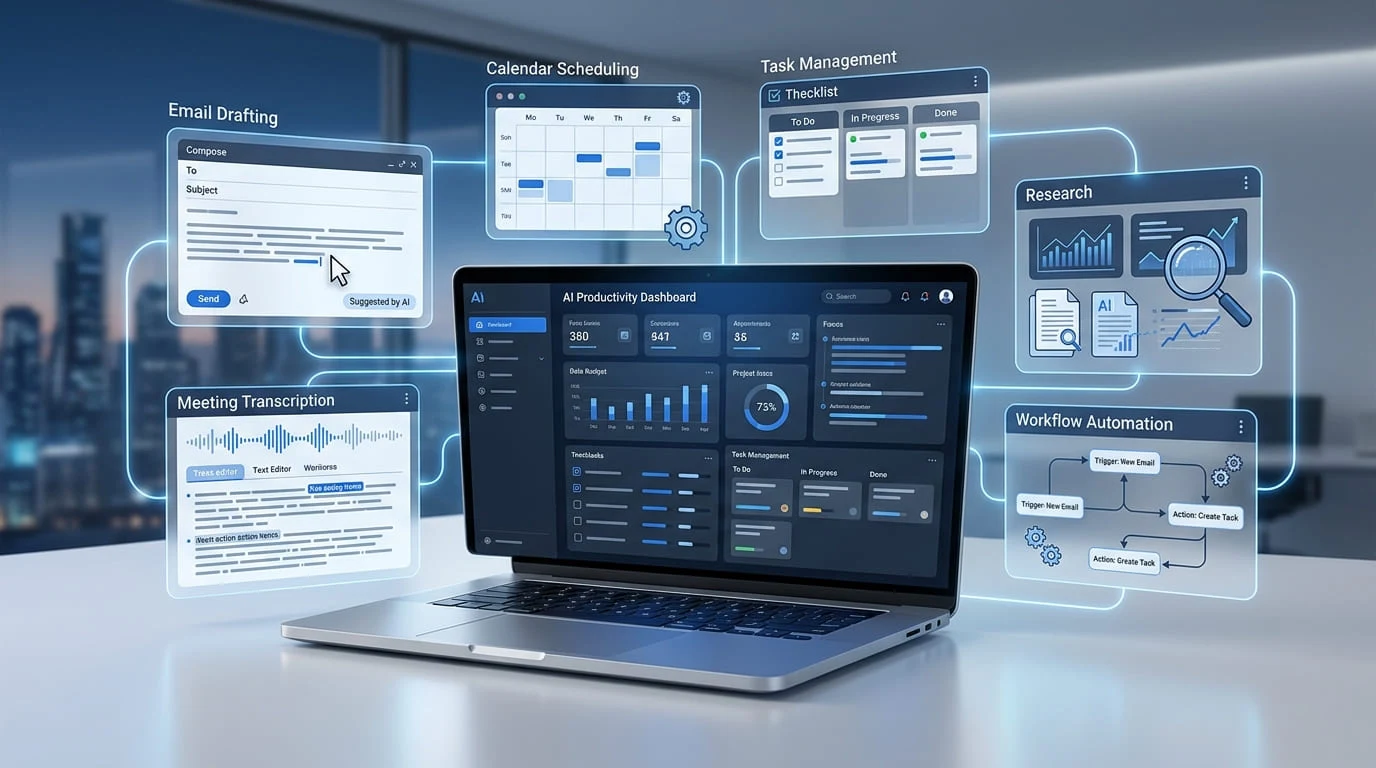
Running a small business means wearing many hats. You are the CEO, the marketer, the customer support agent, the accountant, and sometimes even the janitor. Every day brings a long list of tasks that need to be done, and there are never enough hours in the day. That is exactly why AI tools for small business have become so valuable in 2026.
I thought AI tools would be too technical, too expensive, or too impractical for a small business like mine. But after testing dozens of different tools over the past year, I realized that the right AI tools can genuinely reduce your workload, save you money, and free up time for the work that matters most.
In this guide, I'll walk you through the AI tools for small businesses that I actually use every day not theoretical recommendations pulled from a listicle, but tools that have genuinely changed how I run my business.
Why Small Businesses Need AI Tools
Small business owners face a unique set of challenges. You have limited time, tight budgets, and a small team. You cannot afford to hire a dedicated marketing department, a full-time accountant, or a customer support team. AI tools fill these gaps by automating tasks that would otherwise require hours of manual work.
The best AI tools for small business are not meant to replace you. They are designed to support you. They handle repetitive tasks, generate content, manage data, and provide insights that help you make better decisions. When used correctly, they act like extra team members who never sleep, never complain, and never ask for a raise.
Here is how AI tools can help your small business:
Write marketing content faster without hiring a copywriter
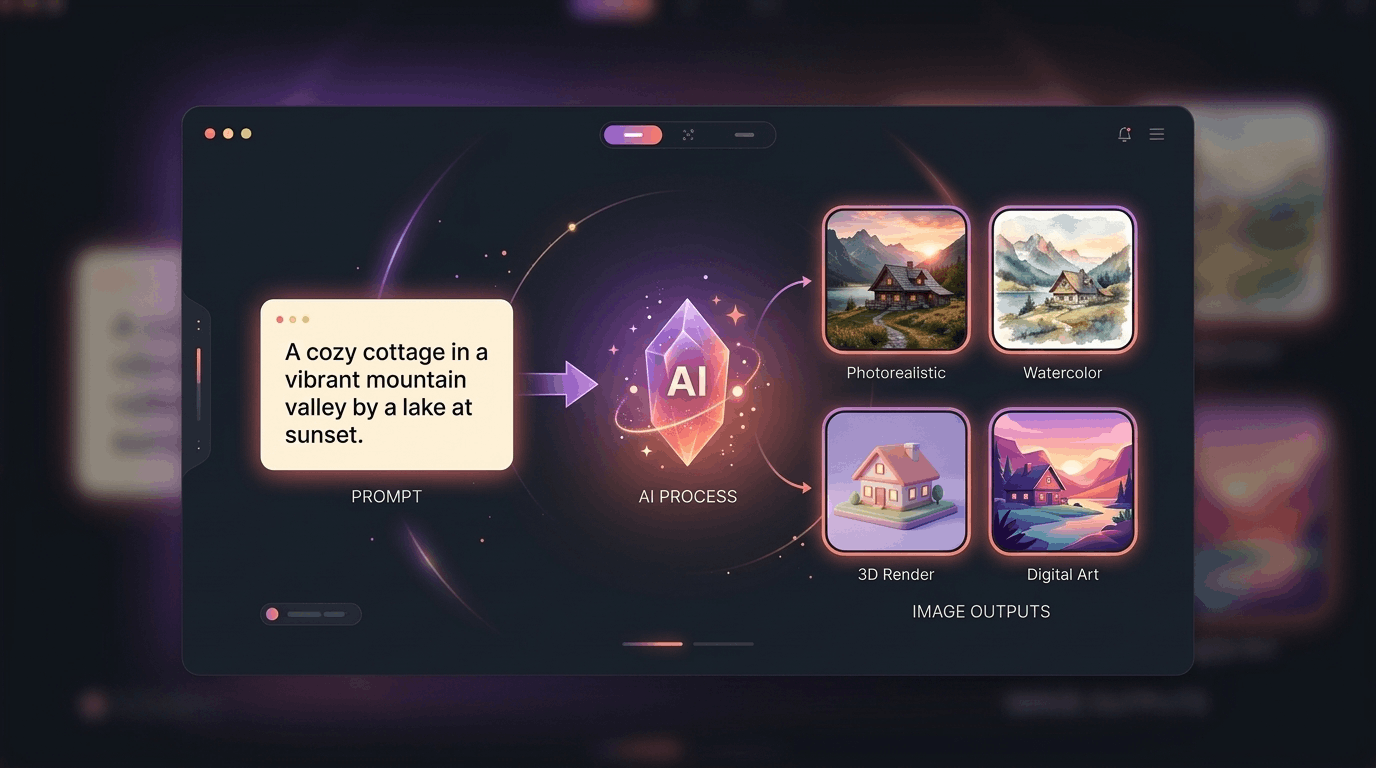
Create professional graphics without a design budget
Automate customer support and reduce response times
Manage finances and invoicing with less effort
Organize customer data and track leads effectively
Note: Pricing mentioned below reflects rates at the time of writing (2026) and may change. Always check each tool's official website for the most current pricing.
1. ChatGPT
ChatGPT is the most versatile AI tool for small businesses on this list. If you are just starting out with AI chatbots in general, check out our guide on best AI for beginners to understand the differences between the top options. It functions as a writing assistant, brainstorming partner, and research tool all in one.
The beauty of ChatGPT is its flexibility. You can ask it to write a formal business proposal, a casual Instagram caption, a detailed product description, or a creative tagline. It adapts to the tone and style you need. You can also have follow-up conversations to refine and improve the output.
I use ChatGPT almost every day for content creation and communication. It cuts my writing time in half and helps me overcome creative blocks. The free tier is surprisingly capable, and the Plus plan at $20 per month is worth it for businesses that need regular AI assistance.
How I use it: Drafting emails, writing blog posts, creating product descriptions, brainstorming campaign ideas, and generating social media content.
2. Canva with AI Features
Canva has integrated AI features that make graphic design accessible to everyone, regardless of skill level. If you are new to Canva, start with our Canva beginner guide to learn the basics before exploring its AI tools.
For small businesses, Canva eliminates the need for expensive design software or professional designers for everyday graphics. You can create social media posts, business cards, flyers, presentations, and promotional materials in minutes. The template library is extensive, and the AI features help you customize designs quickly.
I use Canva for creating social media graphics, promotional banners, email headers, and simple presentation decks. The AI features save time on repetitive tasks like resizing designs for different platforms and removing backgrounds from product photos.
How I use it: Creating social media graphics, promotional materials, presentation decks, and marketing visuals.
3. Grammarly
Grammarly is an AI writing assistant that operates in the background, improving your writing across emails, messages, documents, and social media posts. It catches grammar errors, suggests better word choices, adjusts tone, and improves clarity.
For small businesses, Grammarly ensures that every piece of communication you send is polished and professional. First impressions matter, and sending emails full of typos or unclear sentences does not help your credibility.
I use Grammarly for all business communications, including client emails, proposals, website copy, and marketing materials. The free version handles basic grammar and spelling, while the premium plan adds tone detection, clarity suggestions, and full-sentence rewrites.
How I use it: Proofreading all business communications, improving email clarity, and ensuring professional writing quality.
4. Tidio
Tidio is an AI-powered live chat and chatbot platform for websites. It lets you automate responses to common customer questions, capture leads, and provide instant support without hiring a dedicated support agent.
The AI chatbot learns from your frequently asked questions and provides accurate answers automatically. For questions that require human attention, Tidio routes the conversation to your team. You can also set up automated workflows that guide visitors through common processes.
I use Tidio on my website to handle customer inquiries about pricing, shipping, and product details. The AI chatbot resolves about 70% of questions without any human intervention, which saves me significant time every day.
How I use it: Automating customer support on my website, capturing leads, and providing instant responses to common questions.
5. QuickBooks
QuickBooks is an accounting tool with AI features that simplify financial management for small businesses. It automates invoicing, expense tracking, receipt scanning, and financial reporting. The AI features help categorize transactions, predict cash flow, and identify spending patterns.
For small business owners who are not accountants, QuickBooks makes financial management much less intimidating. You can connect your bank accounts, and the AI automatically categorizes transactions. You can create professional invoices, track payments, and generate financial reports with a few clicks.
I use QuickBooks for invoicing clients, tracking business expenses, managing payroll, and preparing for tax season. The AI features reduce manual data entry and help me stay on top of my finances without needing an accounting degree.
How I use it: Creating invoices, tracking expenses, managing payroll, and generating financial reports.
6. Zoho CRM
Zoho CRM is a customer relationship management platform with AI capabilities that help small businesses manage leads, track customer interactions, and automate sales processes. The AI features include lead scoring, predictive analytics, and automated follow-up suggestions.
For small businesses, Zoho CRM provides a centralized place to manage all customer relationships. You can track every interaction, schedule follow-ups, set reminders, and monitor your sales pipeline. The AI features help you prioritize the leads most likely to convert.
I use Zoho CRM to manage my customer database, track leads through the sales process, and automate follow-up emails. The AI insights help me focus my time on the most promising opportunities instead of chasing every lead equally.
How I use it: Managing customer relationships, tracking leads, and automating sales follow-ups.
7. Notion
Notion is an all-in-one workspace that combines notes, databases, project management, and collaboration tools. New to the platform? Our Notion beginner guide walks you through setting up your first workspace.
For small businesses, Notion serves as a central hub for team documentation, project planning, meeting notes, and knowledge management. You can build custom databases for tracking projects, managing content calendars, and organizing company information.
I use Notion for organizing business processes, managing content calendars, storing SOPs, and collaborating with team members. Notion AI helps me summarize long documents, generate meeting notes, and draft content quickly.
How I use it: Managing projects, organizing documentation, creating content calendars, and collaborating with team members.
8. Zapier
Zapier is an automation platform that connects your apps and tools together, eliminating repetitive manual tasks. With Zapier, you can create automated workflows that trigger actions across different apps without writing any code.
For small businesses, Zapier is like having an extra team member who handles all the boring, repetitive tasks. You can automate things like adding new email subscribers to your CRM, creating tasks from form submissions, sending follow-up emails after purchases, and syncing data between apps.
I use Zapier to automate dozens of small tasks that used to eat up my time. New form submissions automatically create CRM contacts, completed purchases trigger thank-you emails, and calendar events generate task reminders. These automations save me several hours every week.
How I use it: Automating data entry between apps, triggering email sequences, and connecting tools that do not natively integrate.
Best Practices for Implementing AI Tools
To get the most from AI tools for small business, follow these guidelines:
Start with one or two tools and master them before adding more.
Always review AI-generated output before publishing or sending.
Use free trials to test tools before committing to paid plans.
Keep your tools simple. Fewer tools used well beats many tools used poorly.
Train your team on new tools to ensure everyone uses them effectively.
Final Thoughts
The right AI tools for small business can transform how you operate. They reduce manual work, improve communication, and help you focus on growing your business instead of getting bogged down in administrative tasks. The key is to choose tools that match your actual needs and use them consistently.
Start small. Pick one tool that addresses your biggest challenge. Use it for a few weeks. Add another only when you feel comfortable. Over time, these tools will become an essential part of how you run your business.
Frequently Asked Questions
How much do AI tools for small business cost?
Many AI tools for small business offer free tiers or affordable plans. ChatGPT, Grammarly, and Canva all have free versions that are sufficient for basic use. Paid plans typically range from $10 to $50 per month depending on the tool and features.
Do I need technical skills to use these tools?
No. Most AI tools for small business are designed for non-technical users. They have intuitive interfaces, templates, and guided setup processes. If you can use a web browser, you can use these tools.